Elettra-Sincrotrone Trieste S.C.p.A. website uses technical, analytics and third party cookies, in order to collect anonymous statistical informations.
Website navigation do not affect users' privacy during their browsing experience on our website, as they do not entail processing their personal identification data.
Session cookies are not permanently stored and indeed are cancelled when the browser has quit.
The technical cookies also improve or customise the browsing experience and are necessary to the website provided by Elettra - Sincrotrone Trieste S.C.p.A. to function properly.
More info
OK
News Archive
Antonio Was Not Quite as We Imagined: Elettra Helps Reconstruct the Dinosaur's Snout
|
|
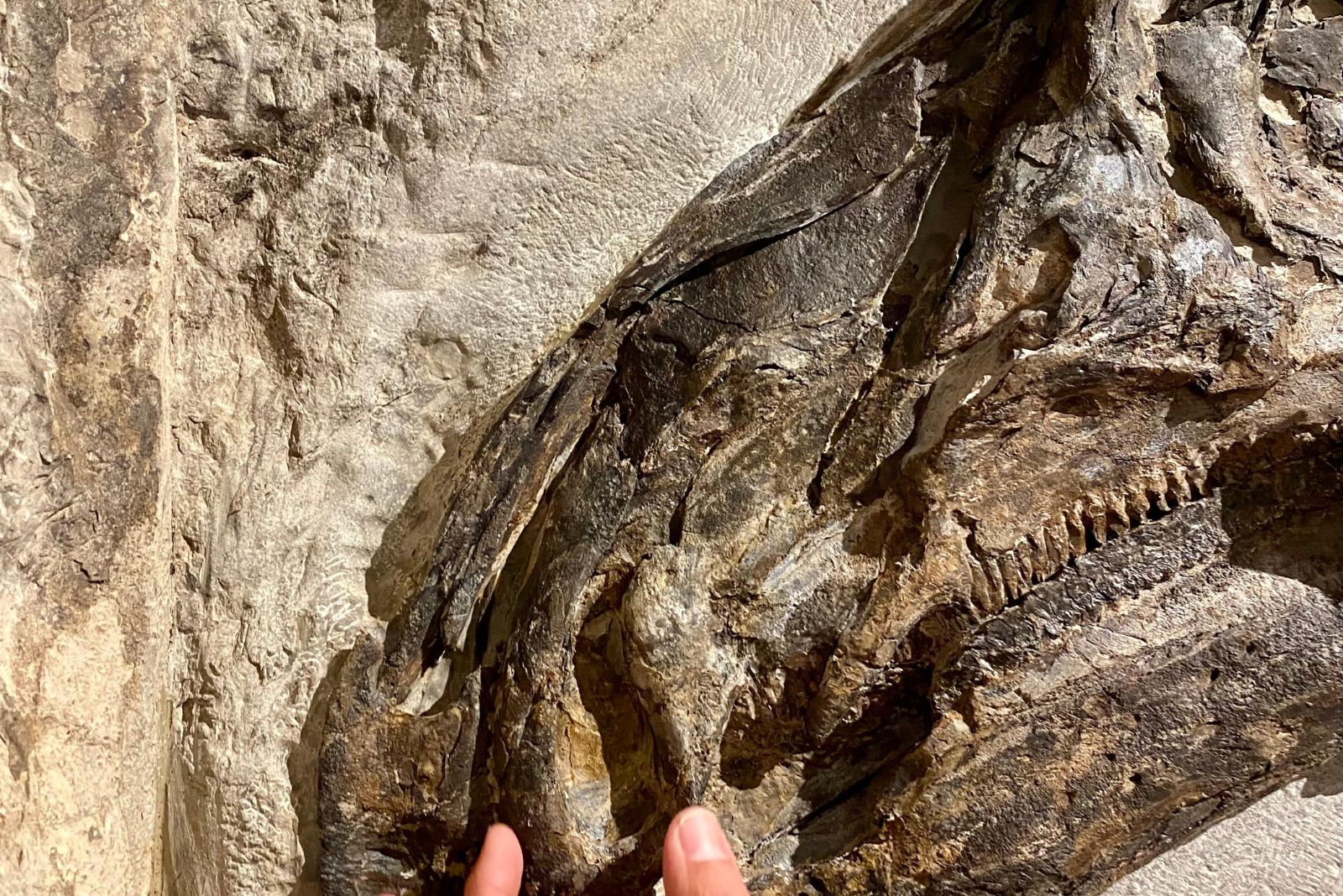
A new international study, conducted by the University of Bologna, University College London, Freie Universität Berlin, and Elettra Sincrotrone Trieste, proposes a revised reconstruction of the snout of Tethyshadros insularis, the dinosaur discovered at the Villaggio del Pescatore fossil site near Trieste, whose best-known specimen is nicknamed “Antonio”.
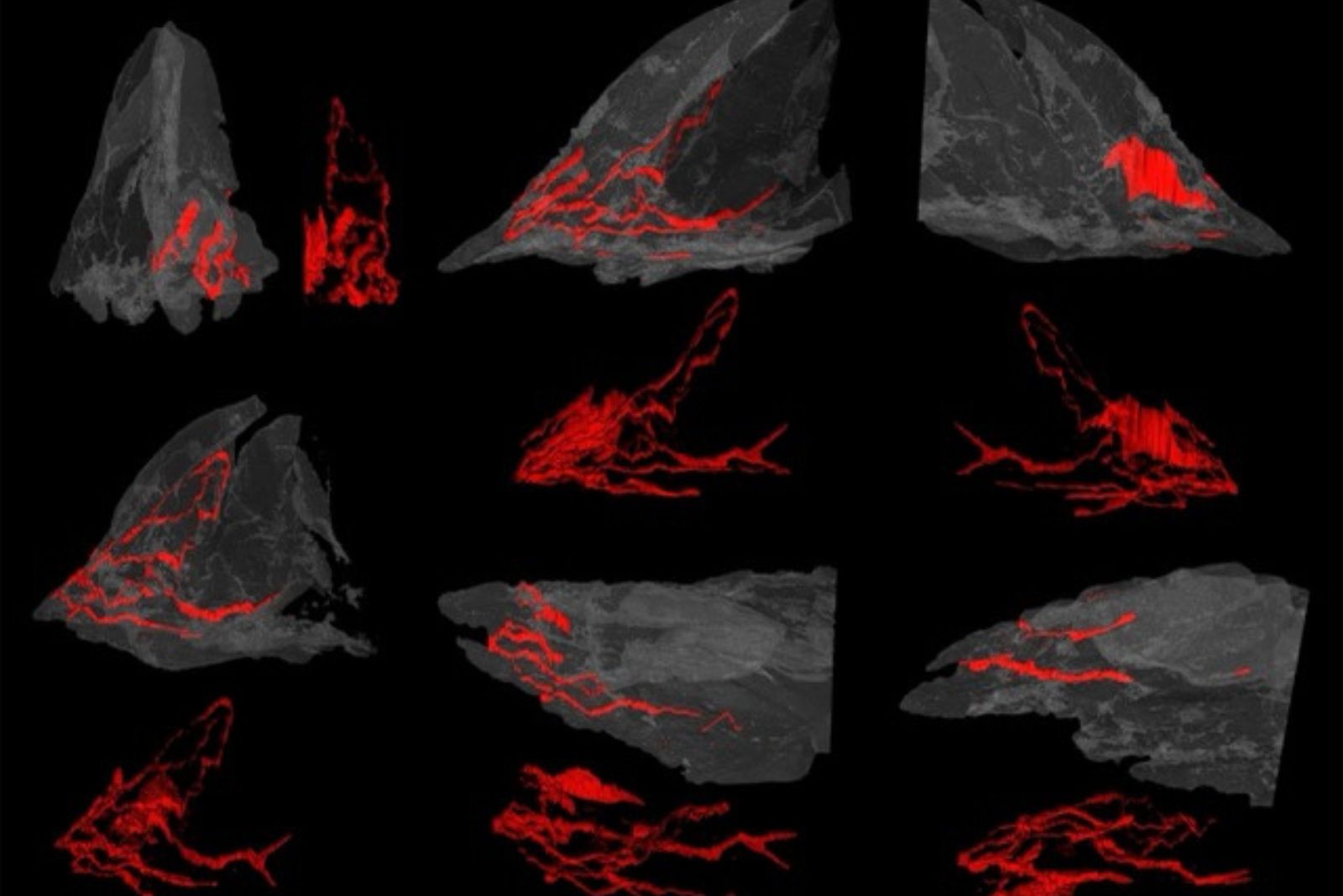
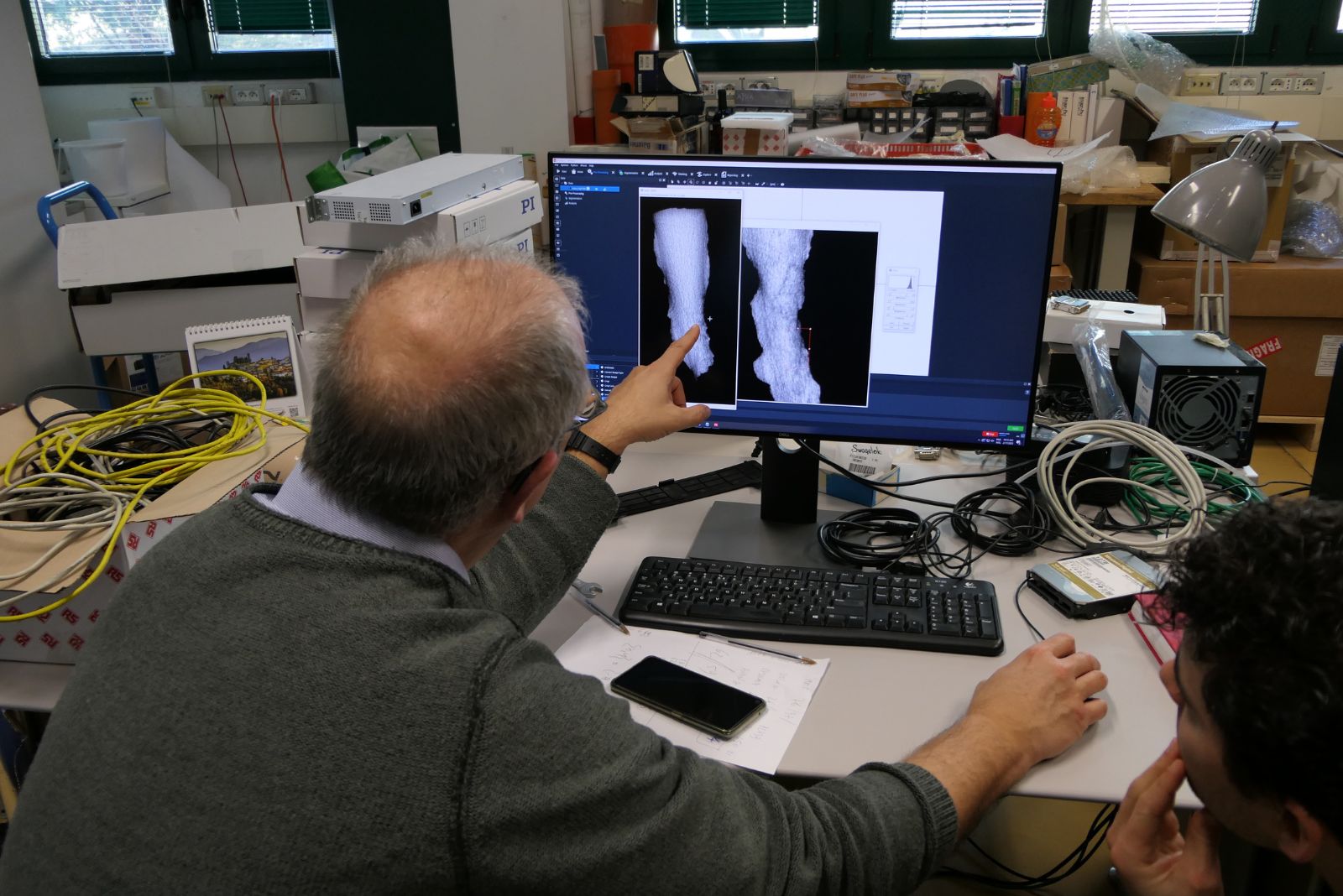
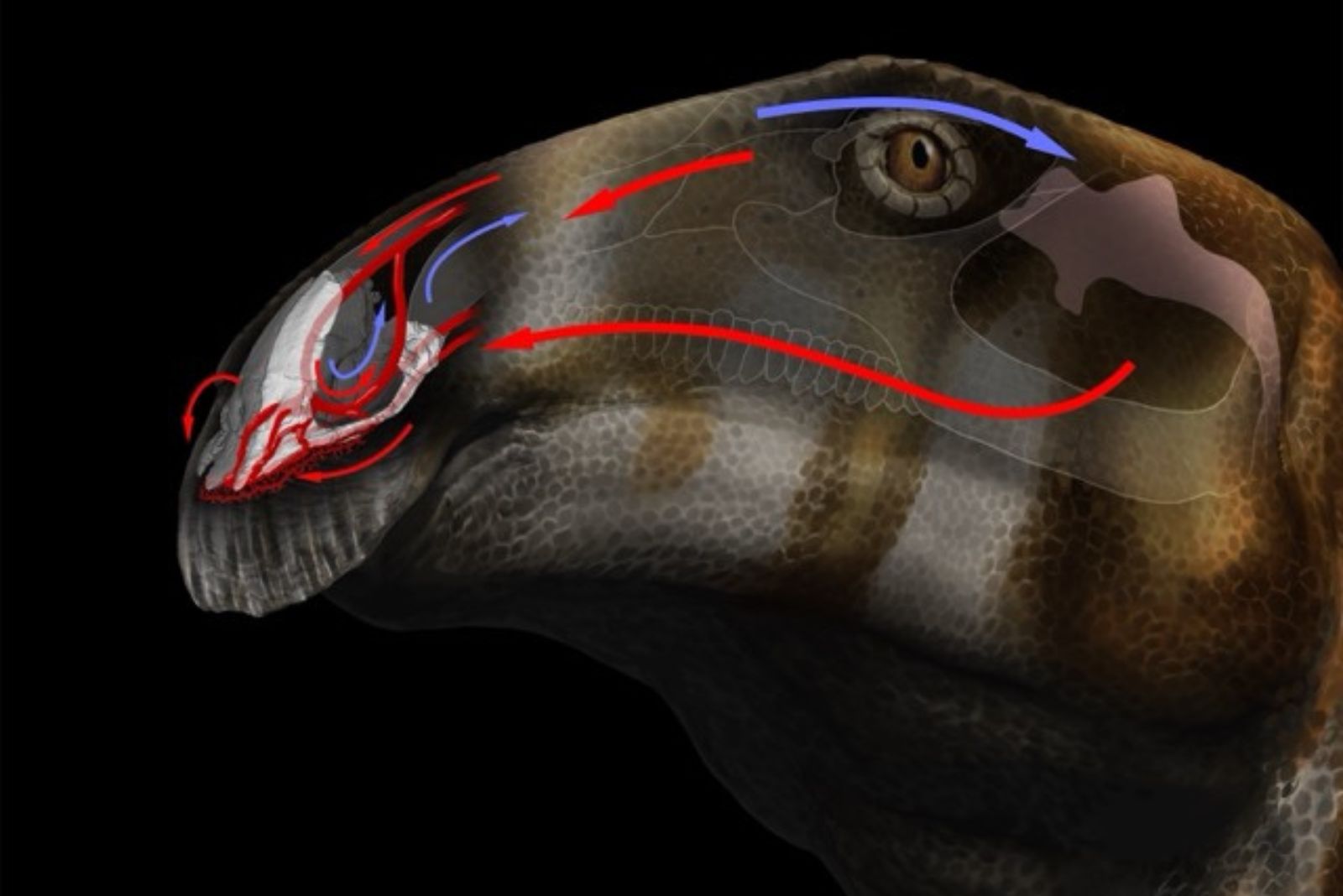
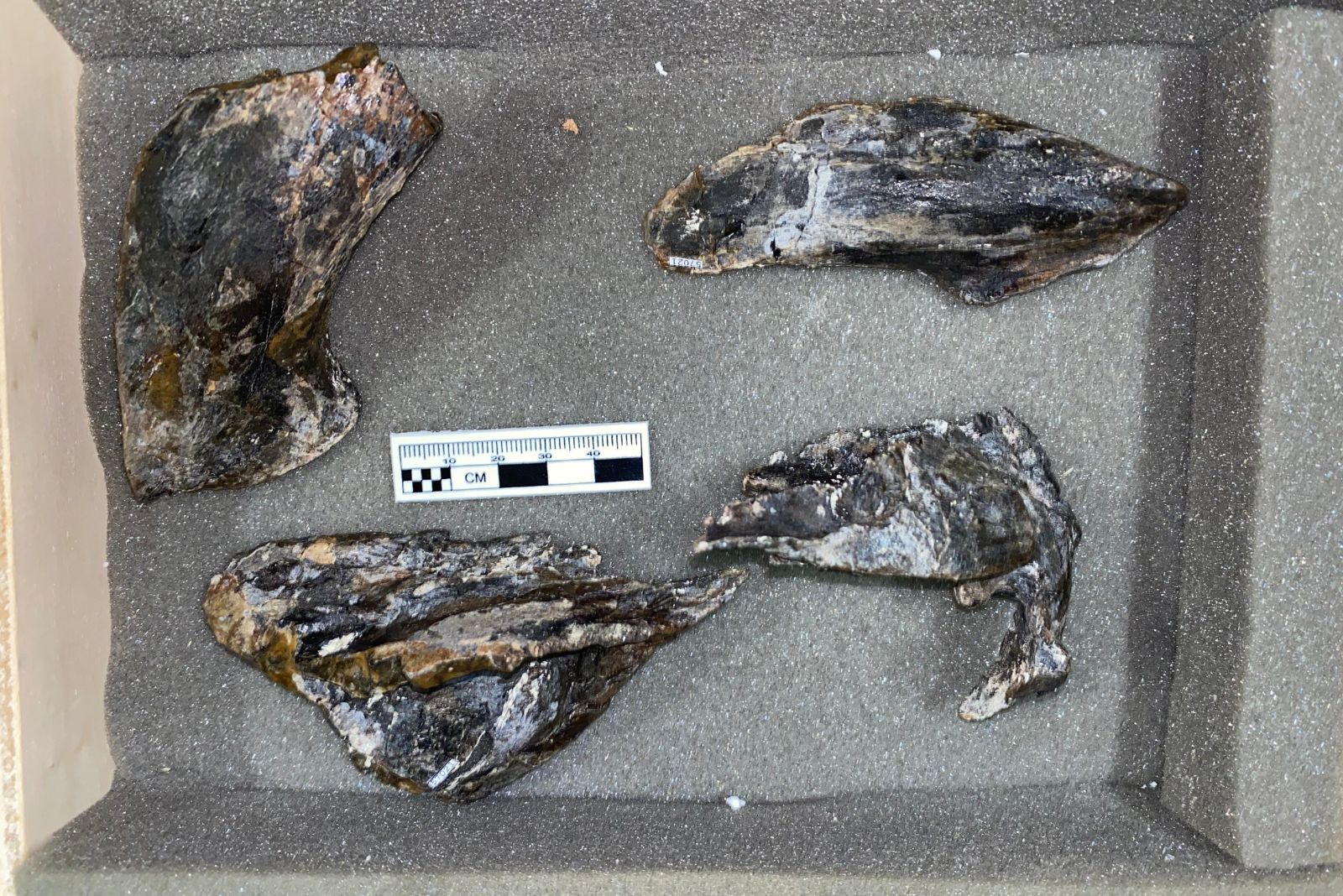
Analyses carried out at Elettra's TomoLab laboratory using X-ray computed microtomography (micro-CT) made it possible to investigate the internal structure of the fossil bones without damaging them, revealing a complex network of tiny canals and cavities associated with blood vessels. The findings suggest that the six bony projections at the tip of the snout, previously thought to have been exposed, were actually covered by a large keratinous beak, similar to those of modern birds.
|
|
The extensive vascularisation also suggests that, in addition to its role in feeding, the beak may have served sensory functions and contributed to thermoregulation by facilitating heat dissipation in the hot, highly seasonal climate of approximately 80 million years ago. The study highlights how advanced imaging techniques available at Elettra can provide new insights into the anatomy and environmental adaptations of fossil animals that have been studied for decades.
(Imagine 3 - Illustration Bonadonna)
|
Last Updated on Friday, 13 November 2026 15:09